ARABIKA COFFEE
1.Plant and bean characteristics
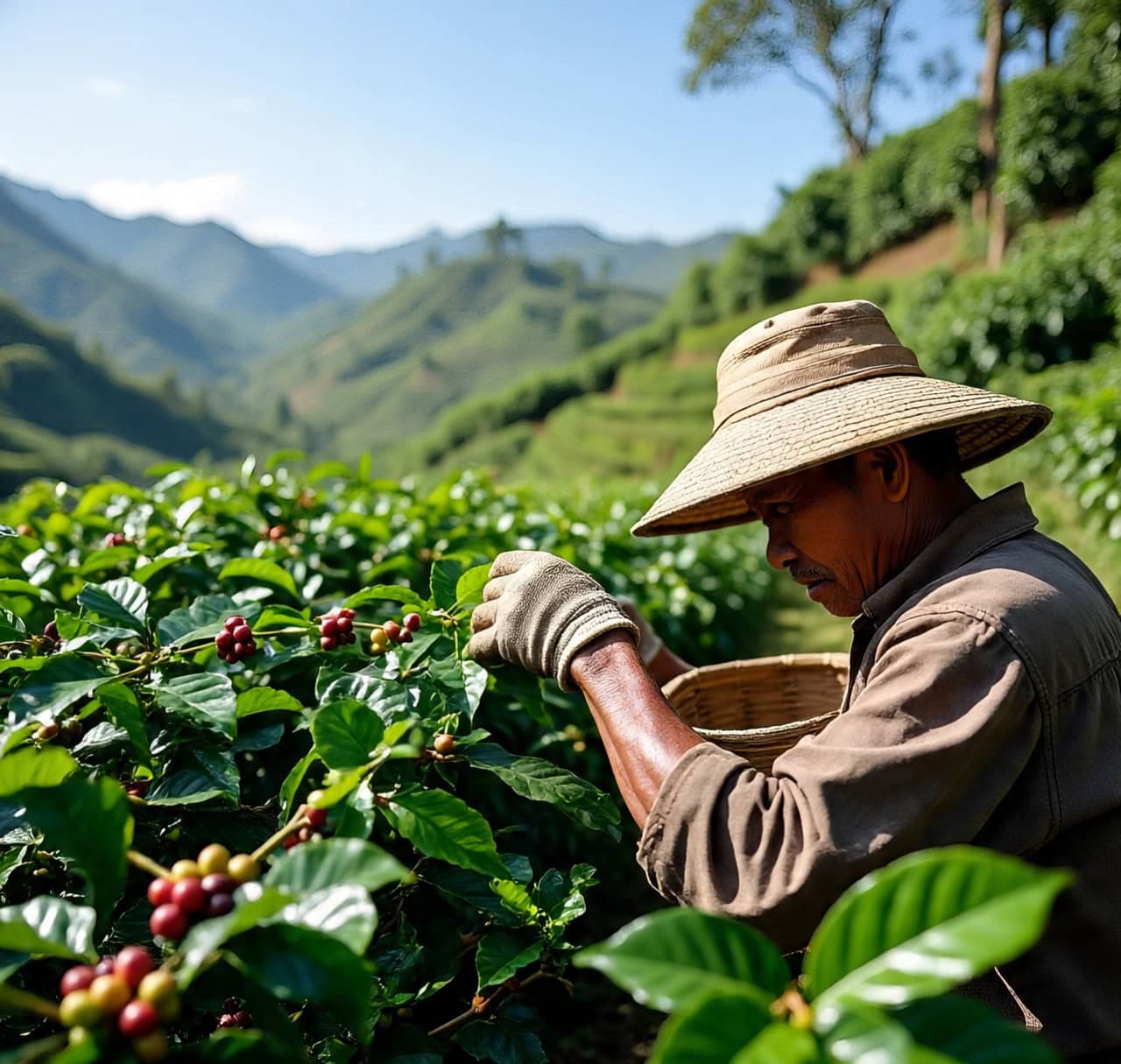
- Species: Coffea arabica, commonly called Arabica. It is more delicate than Robusta—less disease-resistant and generally lower-yielding—but prized for its complex flavor and aromatic qualities.
- Growing altitude: Arabica thrives at higher elevations (typically mid to high altitudes); cooler temperatures at altitude help develop sugars and aromatic compounds in the beans.
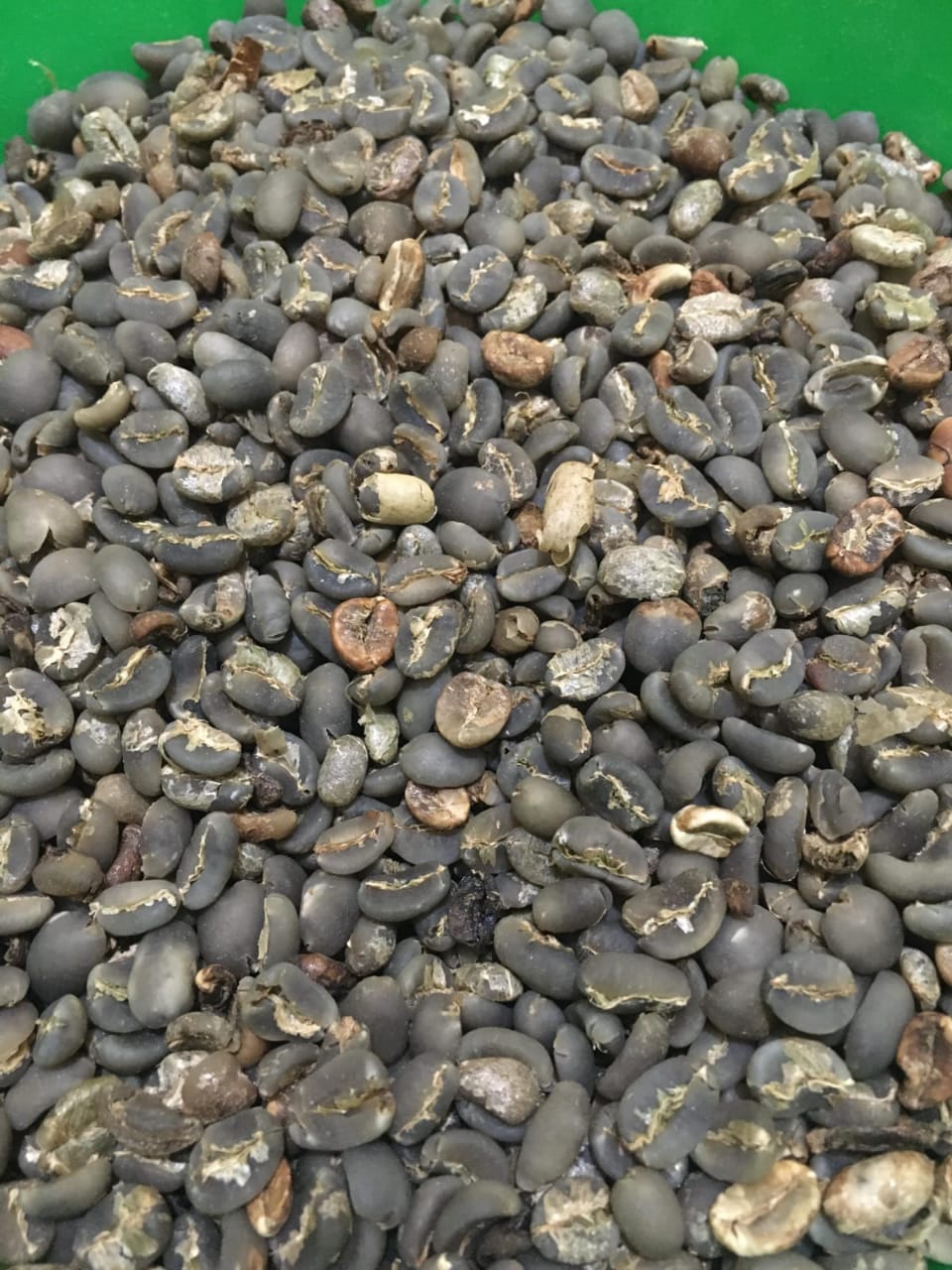
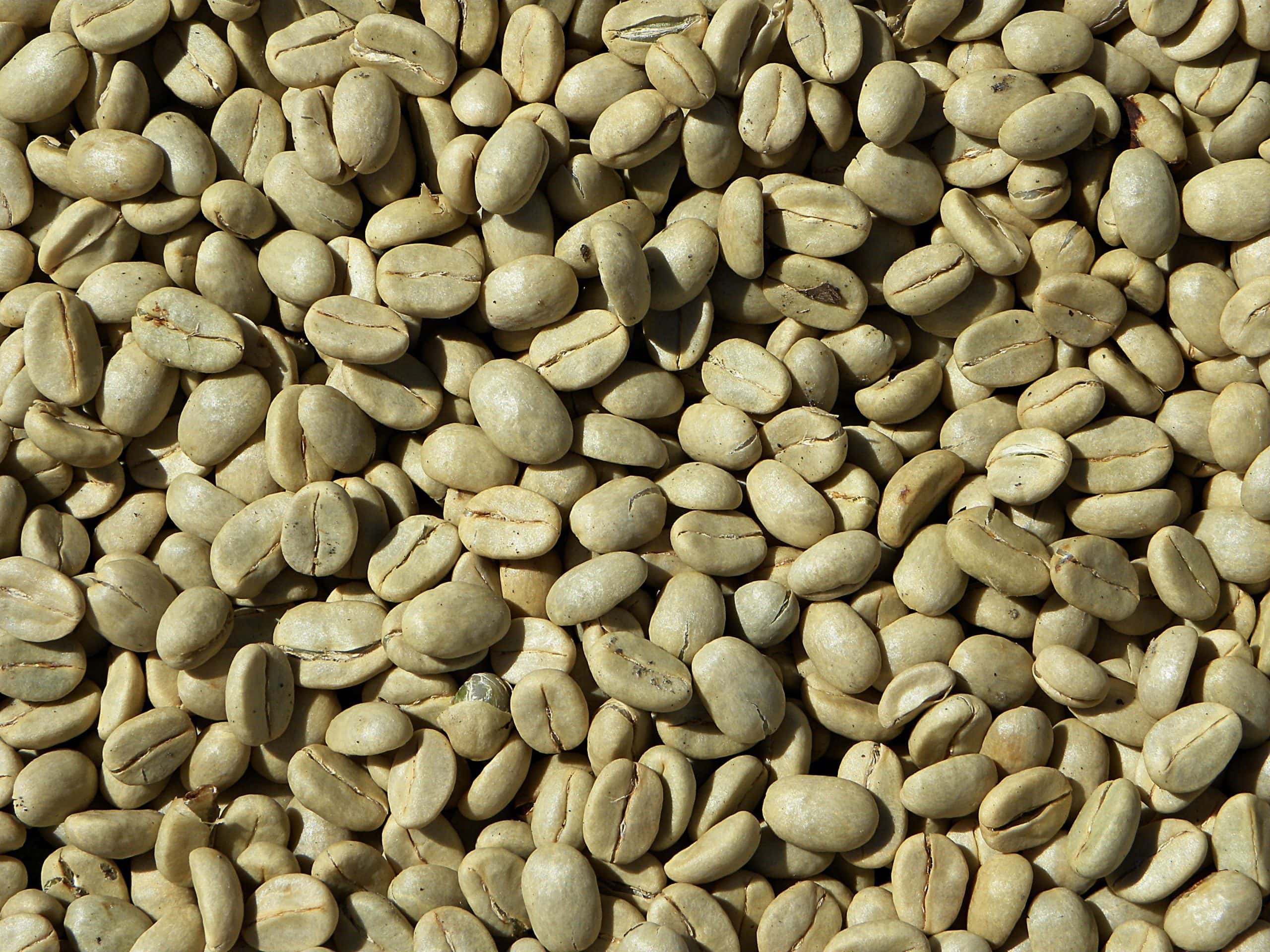
- Bean appearance and chemistry: Arabica beans are usually more elongated and flatter than Robusta. They tend to contain more sugars and oils and less caffeine than Robusta (roughly ~1–1.5% caffeine), which contributes to a smoother, less bitter cup.
2.Flavor and cup profile
- Complexity: Arabica is noted for a wide, nuanced flavour range — floral, fruity, citric, winey, caramel, and chocolate notes are common depending on variety and processing.
- Acidity and body: Acidity (brightness) is usually higher and more pronounced than in Robusta, which gives liveliness and clarity to the cup. Body ranges from light to medium-full depending on origin and roast.
- Aromatics: Arabica tends to have stronger and more delicate aromatics (floral and fruity scents) that many specialty coffee drinkers prize.
SUMMARY
“Coffea arabica (Arabica) is the higher-altitude, more flavour-complex coffee species prized for its acidity, aroma, and wide sensory range. In Indonesia, Arabica is cultivated in many highland regions—Aceh (Gayo), North Sumatra, Java, Sulawesi (Toraja), Flores, Bali, and Papua—each producing distinct and valued”flavour profiles.